
Excerpt (paste into the “Excerpt” field):
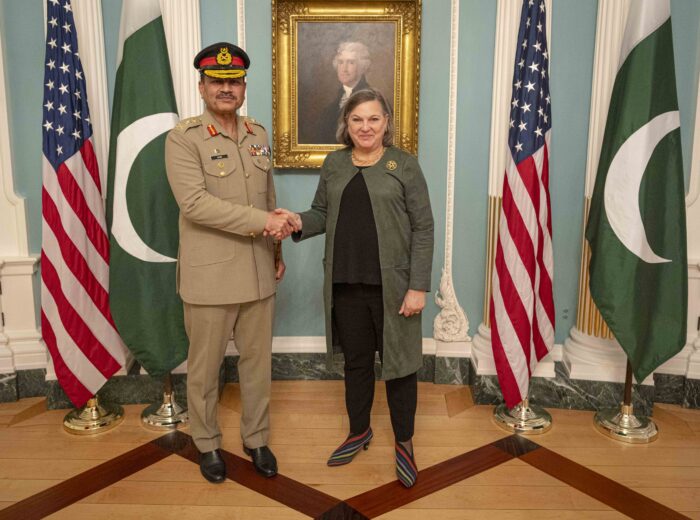
Pakistan’s army chief, Field Marshal Asim Munir, was due in Tehran on Tuesday, October 20, for talks on Islamabad’s mediation between Iran and the United States, according to a Pakistani official and Iranian media cited by Reuters, as negotiations remain deadlocked over the Strait of Hormuz.
A mediator returns to Tehran
Munir is scheduled to meet Iranian officials to discuss diplomatic efforts to resolve the conflict between Iran and the United States, as well as wider regional developments, Anadolu Agency reported, citing Iran’s semi-official Tasnim news agency.
Pakistan has played a key mediating role between Washington and Tehran this year, Reuters said. The visit follows earlier meetings between Munir and Iranian leaders in the summer that focused on preventing further escalation, reopening the Strait of Hormuz and bringing the conflict to a quicker end.
According to Anadolu, the United States and Iran signed an “Islamabad Memorandum of Understanding” in June, setting out a framework for negotiations towards a final agreement. The talks later broke down over disagreements on security guarantees and freedom of navigation through Hormuz, a waterway vital to global energy supplies.
Hormuz at the centre of the deadlock
The gap between the two sides remains wide. Iranian Foreign Minister Abbas Araghchi said on Sunday that Tehran’s proposal to reopen the strait within seven days was “still on the table”, Reuters reported. Iran’s conditions include lifting the US blockade of its ports, cancelling US sanctions on its oil exports and ending hostilities on all regional fronts.
Araghchi said Washington had sent observations that Tehran was reviewing, but he questioned US good faith. If the conditions were accepted, he said, the strait would open within six days and talks would resume the following day. The secretary of Iran’s Supreme National Security Council said last week that negotiations were stalled because Washington had not answered all seven conditions, according to Reuters.
A central sticking point is sequencing. The United States wants Iran’s nuclear programme addressed from the outset, and US Vice President JD Vance said this month that Iran must make a “tangible” reduction in its uranium enrichment capabilities. Tehran argues the first phase should focus on reopening Hormuz, through which about a fifth of global oil and liquefied natural gas trade passed before the war.
Military signals on both sides
The diplomatic push coincides with fresh military signals. Iran’s Islamic Revolutionary Guard Corps said it shot down a US MQ-9 drone over the Strait of Hormuz early on Tuesday, using an air defence system operated by its aerospace force, according to a statement carried by Iranian state media and reported by Middle East Eye. The claim could not be independently verified.
On Monday, US Defense Secretary Pete Hegseth met Israeli Prime Minister Benjamin Netanyahu during an unannounced visit to Israel, a person familiar with the matter told Reuters. The Pentagon declined to comment, and Israel’s Army Radio said the meeting took place at an air force base in the southern desert.
The visit came a day after President Donald Trump endorsed Netanyahu ahead of Israel’s October 27 parliamentary election. Netanyahu has told Israeli media he is not seeking to attack Iran before the vote, while Trump has said he will not attack Iran before the US midterm elections in November, Reuters reported.
A crowded diplomatic calendar
Munir’s trip follows a visit to Tehran on Monday by Russian Foreign Minister Sergei Lavrov, part of a wider set of contacts as regional and international powers seek to prevent a return to full-scale war. US and Israeli forces launched joint strikes on Iran in late February, triggering a regional conflict that has since spread to other fronts, including Yemen, where the Iran-aligned Houthis have stepped up attacks on Saudi Arabia.
No outcome of Munir’s meetings had been announced at the time of writing.
Read more
 Trump’s Netanyahu endorsement sharpens Iran threats as Lavrov heads to TehranOctober 19, 2026
 Tunisian government dissolution case against media outlet dismissedOctober 8, 2026
 Court overturns UK decisions blocking Gaza mothers, children from family reunificationOctober 4, 2026
 Palestine slams US visa denial for UN delegationSeptember 17, 2026