IA générative : rupture technologique ou risque systémique ?
The Arabic Reporter · March 4, 2026 · 23:22 ·
2 MIN READ
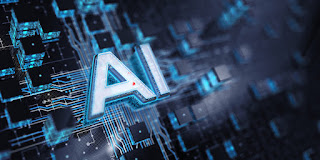
The rise of generative AI — models capable of autonomously creating text, images, audio, or code — presents both major opportunities and potential systemic risks.
⚡ Technological Breakthrough
Innovation and productivity: Generative AI can automate creative and intellectual tasks, from report writing to graphic design, significantly boosting productivity.
New applications:
Personalized content generation in marketing and media.
Assistance in scientific research and drug discovery.
Automation of complex code or scripts for software development.
Transformation of jobs: Many professions are shifting toward roles focused on supervision, validation, or creativity augmented by AI.
⚠️ Systemic Risks
Spread of misinformation: Generative AI can produce highly convincing fake content (deepfakes, misleading text), undermining trust in information.
Economic and social impact: Automating intellectual tasks may disrupt the labor market, potentially polarizing jobs between highly skilled and automatable roles.
Security and dependency: Integrating generative AI into critical sectors (finance, energy, defense) can create vulnerabilities if errors or manipulations occur.
Ethics and regulation: A lack of harmonized regulation increases the risk of misuse, such as mass surveillance, profiling, or political manipulation.
🔄 Summary
Generative AI represents a major technological breakthrough, comparable to the invention of computers or the internet, but it carries systemic risk if adopted without safeguards. Key measures include:
Strong regulation and responsible governance.
Transparency in models and training data.
User awareness and training to prevent misuse.
In short, generative AI can be either a powerful engine of progress or a source of collective vulnerability, depending on how society and governments manage its deployment.
 Europe Needs Arab CompetitivenessOctober 15, 2026
 US military says it disabled cargo ship trying to run Iran blockade in Gulf of OmanOctober 12, 2026
 Arab Views: Saudi restraint is no longer operable, says Prince Turki Al-FaisalOctober 1, 2026
 Can digital media save newspapers as journalism turns the page on paper?August 25, 2026