
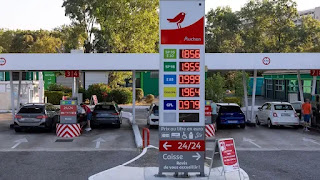
Rising Middle East Tensions Push Inflation Higher in France
Renewed geopolitical tensions in the Middle East are beginning to impact the French economy, contributing to a rebound in inflation after months of easing price pressures. The main driver is the sharp increase in oil and natural gas prices, which has raised energy costs across the country.
🌍 Why do Middle East tensions affect inflation?
The Middle East is one of the world’s most important energy-producing regions. Escalating conflicts, attacks on energy infrastructure, and concerns over the security of the Strait of Hormuz—a vital shipping route through which around one-fifth of the world’s oil supply passes—have pushed global oil prices higher.
As energy becomes more expensive, the higher costs spread throughout the economy, affecting businesses and consumers alike.
⛽ Energy prices are the main driver
Higher oil and gas prices increase the cost of:
- Fuel at petrol stations;
- Transport and logistics;
- Industrial production;
- Electricity and heating for businesses and households.
Companies often pass these additional costs on to consumers, leading to higher prices for goods and services.
🛒 Impact on consumers
French households may experience:
- More expensive fuel for cars;
- Higher airfares due to rising aviation fuel costs;
- Increased food prices as transportation and production become more expensive;
- Higher prices for manufactured goods if energy costs remain elevated.
These developments reduce consumers’ purchasing power and make everyday expenses more costly.
🏦 Challenges for the French economy
The rise in inflation complicates the task of the European Central Bank (ECB). If inflation remains above target, the ECB may keep interest rates higher for longer to slow price increases.
Higher interest rates make borrowing more expensive for:
- Households seeking mortgages or consumer loans;
- Businesses financing investments;
- Governments issuing public debt.
This can weigh on economic growth by reducing investment and consumer spending.
📊 What happens next?
Much will depend on how long the geopolitical tensions last. If energy markets stabilize, inflationary pressures could ease over time. However, a prolonged conflict or further disruptions to global energy supplies could keep oil and gas prices elevated, prolonging inflation and slowing economic growth across France and Europe.
Key Takeaway
Renewed tensions in the Middle East are contributing to a rebound in inflation in France by driving up global energy prices. Higher fuel and electricity costs are feeding into transportation, manufacturing, and food prices, putting additional pressure on household budgets. The longer the geopolitical instability persists, the greater the potential impact on inflation, interest rates, and the broader economy.
Read more
 Shukran Tops Globally Known Brands among the world’s Muslim consumersJune 28, 2024
 Saudi Arabia’s Operating Revenues Index rises 6.1% in JuneAugust 20, 2026
 Ma’aden’s Aluminum and Gold Businesses Drive Q2 Revenue Growth, Offsetting a Decline in PhosphateAugust 10, 2026
 Saudi non-oil business activity remains strong as PMI stands at 53.1 in JulyAugust 4, 2026